

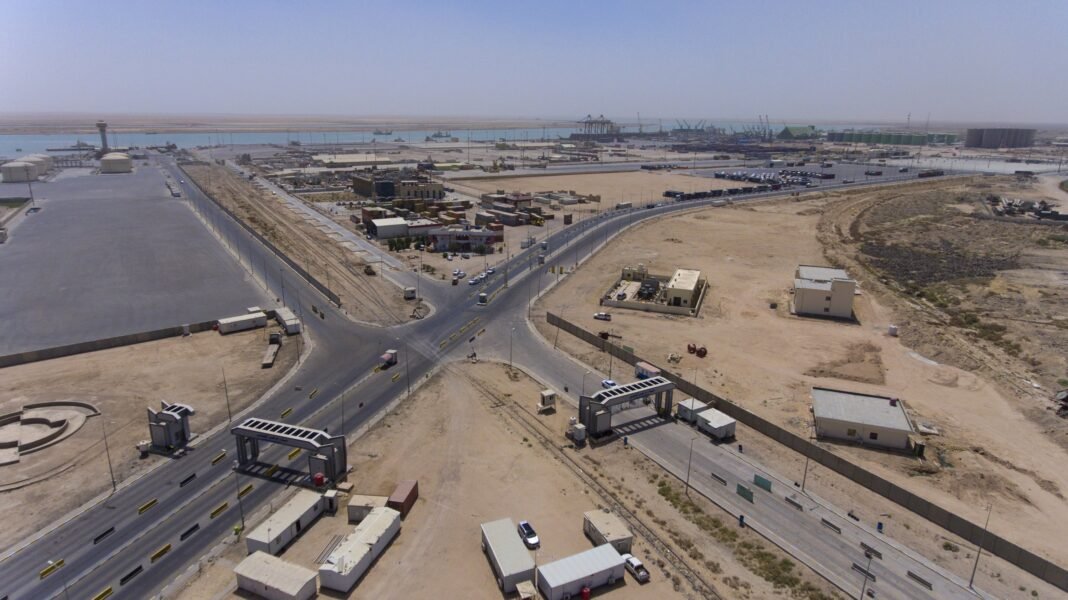
Iraq Development Road marks a strategic shift that reshapes national priorities beyond oil dependence. Moreover, leaders now view geography as Iraq’s strongest economic and security asset. Therefore, long-term planning focuses on trade, transit, and regional connectivity.
Iraq Development Road aims to reposition the country as a global transit bridge. Leaders expect Iraq to connect the Gulf directly with Europe. Consequently, global trade interests will rely on Iraqi stability. This reliance encourages international stakeholders to support secure transport corridors.
Furthermore, the project ends decades of economic isolation. Iraq moves from a constrained geographic role to an open transit hub. Railways, highways, and energy pipelines integrate into one network. As a result, Iraq gains strategic relevance in global supply chains.
At the core of the plan lies western territory development. Planners designed the road to cross vast desert areas. Therefore, development avoids pressure on crowded cities. This route opens new land for structured growth.
Officials plan to develop land stretching 20 to 30 kilometers on each side. These areas will host smart cities and industrial zones. Additionally, agricultural projects will expand in nearby zones. Consequently, unused land transforms into productive economic assets.
This expansion creates massive growth potential. The project unlocks 24,000 square kilometers of new economic space. Moreover, planners expect up to 1.6 million jobs over 30 years. Therefore, employment opportunities will rise steadily across sectors.
Most Iraqis currently live in eastern regions. However, this imbalance limits national expansion. Thus, Iraq Development Road redistributes growth toward the west. Balanced development strengthens social and economic stability.
Additionally, the project enhances national security. Trade routes attract international protection through shared interests. As a result, economic integration reinforces political stability. Geography becomes a shield instead of a vulnerability.
The plan does not rely on a single corridor. Authorities also plan to revive a historic transport route. This older road begins in Basra and passes through Mosul. It then connects to neighboring countries.
This historic route already contains usable infrastructure. Therefore, restoration costs remain lower than new construction. The road will serve as a secondary transport line. Consequently, freight capacity will increase significantly.
Using two major routes improves resilience. If one route slows, the other supports trade flow. Moreover, redundancy strengthens reliability for global partners. This design builds confidence among investors and logistics companies.
Energy pipelines will also follow these routes. This integration supports oil, gas, and future energy exports. Therefore, Iraq diversifies transport revenue streams. Transit income becomes a long-term economic pillar.
Experts emphasize the strategic nature of this shift. Oil revenues fluctuate and face global pressure. However, transit economies generate stable income. Thus, Iraq reduces exposure to commodity volatility.
Private sector participation remains central to the vision. Industrial zones invite manufacturing and logistics firms. Additionally, smart cities attract technology and services. This mix supports a modern diversified economy.
Environmental planning also guides development. New cities will use modern infrastructure and efficient land use. Therefore, expansion avoids uncontrolled urban sprawl. Sustainability supports long-term viability.
Overall, Iraq Development Road redefines national direction. The project converts location into opportunity. Consequently, Iraq steps toward lasting economic independence and regional leadership.