

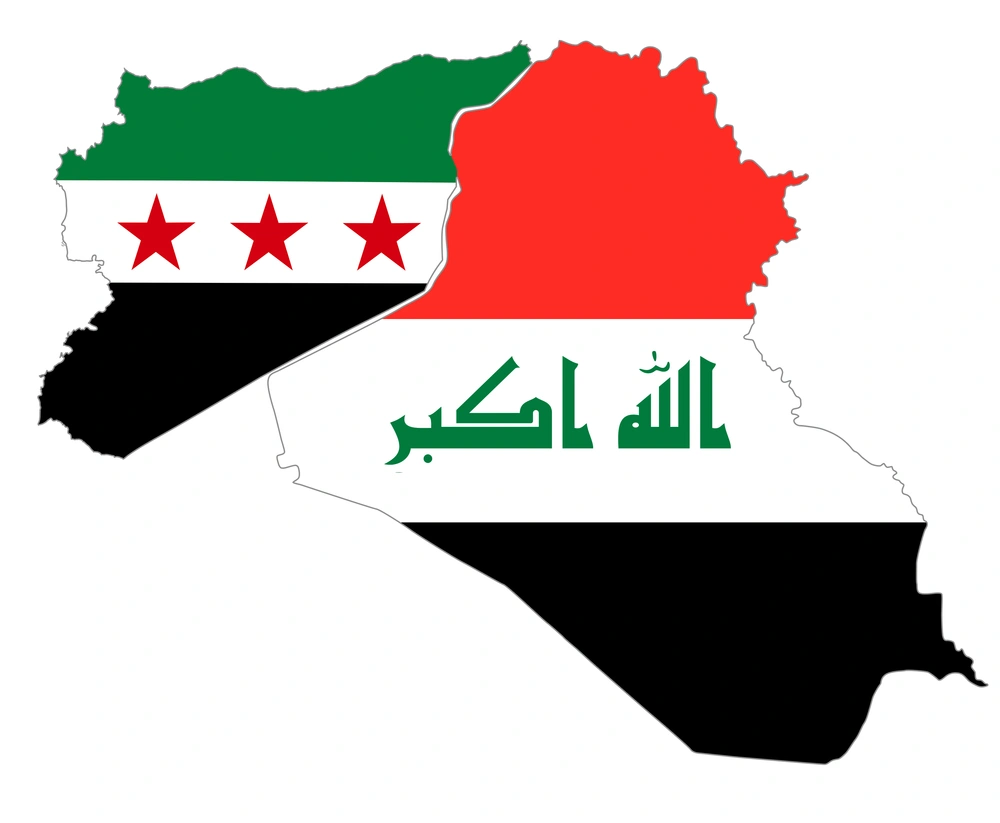
Iraq has emerged as one of Syria’s main trading partners, alongside Turkiye, Jordan, and Lebanon. Syrian officials highlighted the importance of cross-border trade for economic recovery. In particular, exports from Syria to Iraq have shown steady growth in recent years, signaling stronger regional ties. Therefore, Iraq’s role in Syrian trade remains significant.
Abdul Razzaq Habza, secretary-general of Syria’s Consumer Protection Association, explained that high production costs challenge local exporters. He noted that competition in foreign markets affects profitability. Key Syrian exports include vegetables, fruits, and phosphate. Despite these strengths, exporters face rising expenses that reduce competitiveness abroad.
Officials also warned that energy sectors, including electricity and gas, often prioritize their own profits. This behavior drives up production and living costs for citizens. Habza urged the government to strengthen financial support for national industries. He argued that recent economic agreements mostly benefit foreign countries, leaving domestic producers at a disadvantage.
On the import side, Syria has experienced a surge in goods from Saudi Arabia and Jordan. Authorities reported that many items arrive without proper planning or quality checks. Habza emphasized concerns over counterfeit products and smuggling, which negatively affect the domestic market. These challenges highlight the need for better regulation and strategic trade planning.
Trade data from the Iraqi Ministry of Finance underlines Iraq’s importance as a trading partner. Syrian exports to Iraq reached approximately $58 million in 2024. The following year, exports rose modestly to $62 million. Preliminary estimates for 2026 suggest continued recovery, especially after the reopening of the Qaim crossing. Consequently, cross-border trade with Iraq supports Syrian economic recovery.
Analysts noted that Iraq provides a reliable market for Syrian goods. Proximity, cultural links, and established trade routes make Iraq a natural partner. Furthermore, Iraqi demand helps stabilize production and encourages investment in Syrian agriculture and industry. This interdependence strengthens economic ties between the two countries.
Officials stressed the importance of balancing imports and exports. While imports from Saudi Arabia and Jordan have increased, Iraq remains a top export destination. Proper planning could improve trade efficiency and reduce negative impacts on domestic markets. Therefore, coordinated policy measures are necessary to sustain growth.
The recent export growth demonstrates Syria’s potential for regional trade. It also highlights the benefits of reopening crossings and improving logistics. Authorities hope that stable trade with Iraq and other partners will support the economy. Strategic planning, combined with financial support, can help Syrian exporters compete in regional markets.