

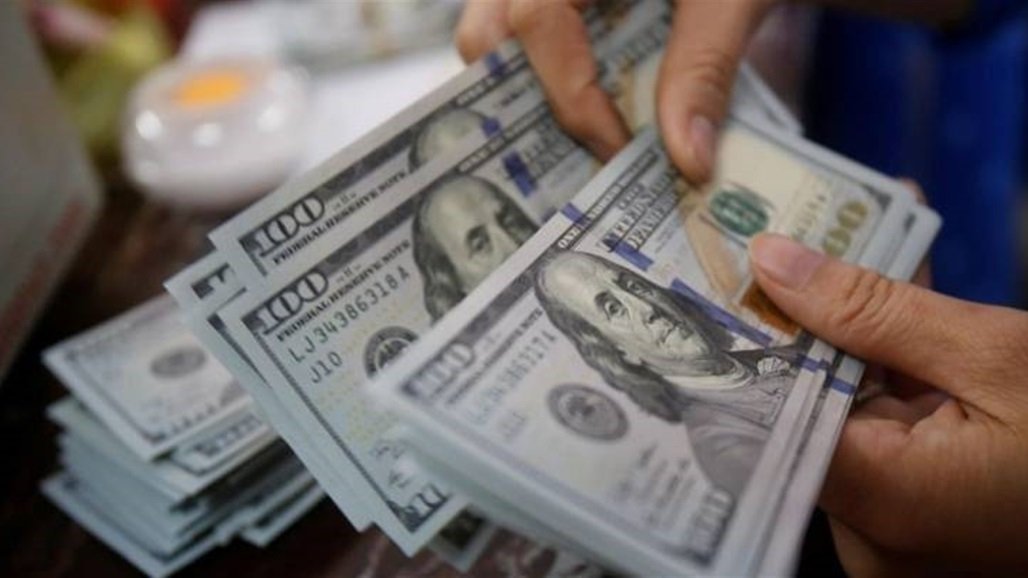
Iraq saw higher currency pressure as dollar prices increased in major cities. First, trading opened with stronger dollar demand in both Baghdad and Erbil. Consequently, Iraq dollar exchange rates moved upward across local markets. Therefore, traders and businesses reacted quickly to the new pricing levels.
In Baghdad, exchange centers recorded clear increases at the start of trading. Moreover, the dollar traded at 148,000 dinars per 100 dollars in key exchanges. This level marked a noticeable rise from the previous session. As a result, Iraq dollar exchange rates reflected stronger buying interest in the capital.
Local exchange shops in Baghdad adjusted prices throughout the morning. Specifically, sellers offered the dollar at 148,500 dinars. Meanwhile, buyers paid around 147,500 dinars. Consequently, daily transactions showed wider price spreads. Additionally, traders monitored supply closely to manage demand.
At the same time, Erbil markets followed a similar upward trend. Exchange shops sold the dollar at 148,200 dinars per 100 dollars. Furthermore, buying prices reached 148,100 dinars. Therefore, northern markets aligned closely with Baghdad movements. This alignment supported consistent national pricing behavior.
Analysts linked the rise to increased demand for foreign currency. Moreover, import-related payments raised pressure on local markets. As a result, traders sought dollars to cover external obligations. Consequently, Iraq dollar exchange rates responded to practical market needs.
Businesses dependent on imports felt the impact quickly. Higher dollar prices increased costs for goods and services. Therefore, companies reviewed pricing strategies and budgets. In addition, consumers faced slightly higher prices for imported products.
Authorities continued monitoring currency movements across exchange centers. Moreover, supervision aimed to prevent irregular trading practices. As a result, transparency improved for buyers and sellers. Additionally, stable oversight helped limit sudden volatility.
Financial observers noted that gradual changes allow better market adjustment. Therefore, controlled movements reduce economic shock. Furthermore, coordination between banks and exchanges supports stability. Consequently, Iraq dollar exchange rates remained within manageable ranges.
Baghdad and Erbil remain key indicators of national currency trends. Moreover, daily movements in these cities guide wider market expectations. As a result, traders across Iraq watch both markets closely.
Overall, Iraq dollar exchange rates continue to rise amid steady demand. Therefore, businesses and consumers stay alert to daily changes. Furthermore, effective monitoring supports market balance. Finally, currency movements remain a central factor in Iraq’s economic activity.