

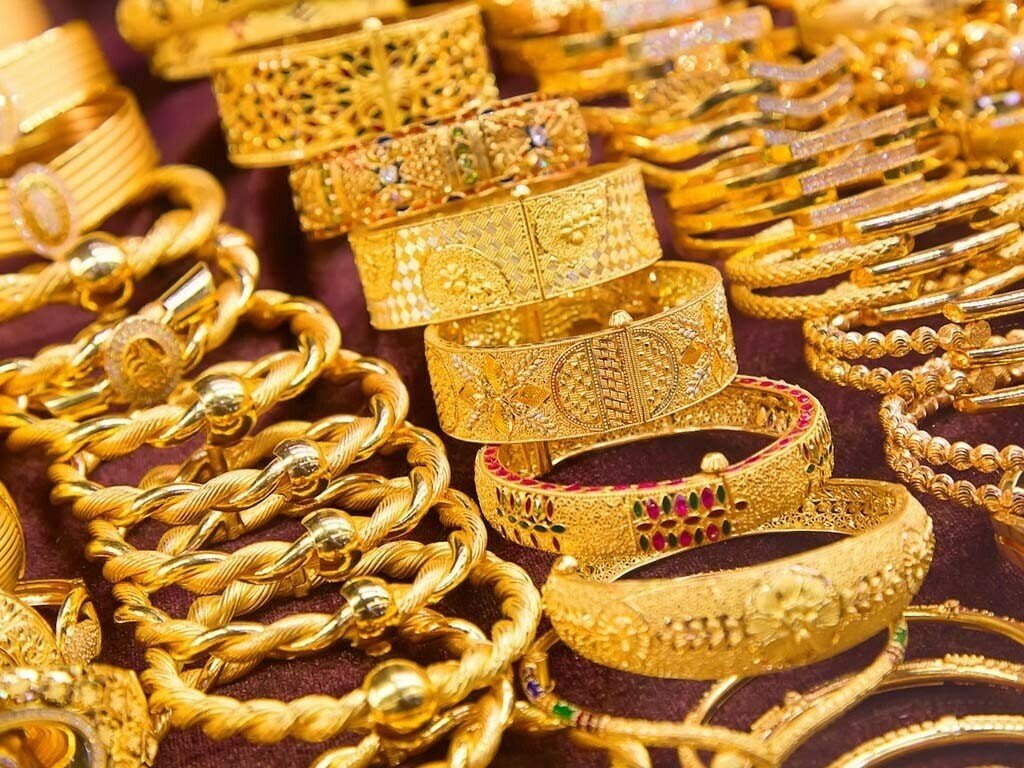
Gold markets in Iraq opened higher across major cities and showed firm demand. Traders reported continued gains from the previous session. Moreover, buyers returned to markets with renewed interest. Therefore, sentiment supported steady upward movement.
In Baghdad, wholesale trading on Al-Nahr Street showed clear increases. Sellers priced imported 21-carat gold higher than before. Buyers accepted higher levels without hesitation. Consequently, activity remained strong and orderly.
Imported 21-carat gold sold for 943,000 Iraqi dinars per mithqal. Buying prices reached 939,000 dinars per mithqal. Previously, prices stood much lower. This rise confirmed growing demand.
Iraqi 21-carat gold also recorded gains in the capital. Sellers offered it at 913,000 dinars per mithqal. Buyers paid 909,000 dinars per mithqal. The price gap reflected quality differences.
Jewelry shops across Baghdad followed wholesale trends closely. Imported gold sold between 945,000 and 955,000 dinars per mithqal. Iraqi gold ranged between 915,000 and 925,000 dinars per mithqal. These levels showed retail demand strength.
Traders linked the rise to market confidence. Gold often attracts buyers during currency uncertainty. Additionally, seasonal demand supported purchases. As a result, prices moved upward smoothly.
Market participants noted stable supply conditions. Sellers managed inventories efficiently. Buyers found available options across shops. Therefore, trading avoided sharp volatility.
In Erbil, gold prices also climbed steadily. Dealers reported higher demand during opening hours. Moreover, buyers accepted new prices quickly. This behavior supported firm pricing.
In the Erbil market, 22-carat gold sold for 994,000 dinars per mithqal. This level marked a clear increase. Meanwhile, 21-carat gold reached 948,000 dinars per mithqal. Buyers showed strong interest.
Lower purity gold also gained value. 18-carat gold sold for 813,000 dinars per mithqal. This rise followed broader market movement. Consequently, all categories moved higher together.
Regional traders highlighted similar drivers in both cities. Currency movements influenced buying decisions. Additionally, global gold trends shaped expectations. These factors combined to lift prices.
Despite the gains, markets remained calm. Sellers avoided excessive margins. Buyers continued normal purchasing patterns. Thus, stability accompanied the rise.
Analysts described the increase as controlled. Gold prices often move gradually in local markets. Short-term gains rarely trigger panic. Therefore, confidence stayed intact.
Households continued routine buying for savings and jewelry. Gold remains a trusted store of value. This preference supports consistent demand. As a result, prices held firm.
Retailers monitored wholesale changes carefully. Quick adjustments helped maintain balance. Customers responded positively to transparent pricing. This interaction strengthened market trust.
Observers expect continued monitoring in coming sessions. Demand trends may guide further movement. Supply conditions will also matter. However, no sudden shifts appear likely.
Overall, the rise reflected healthy market dynamics. Baghdad and Erbil moved in the same direction. This alignment reinforced confidence. Iraq gold prices advanced without disruption.
In summary, Baghdad saw imported 21-carat gold at 943,000 dinars per mithqal. Erbil recorded 22-carat gold at 994,000 dinars per mithqal. Iraq gold prices continued their upward trend steadily.