

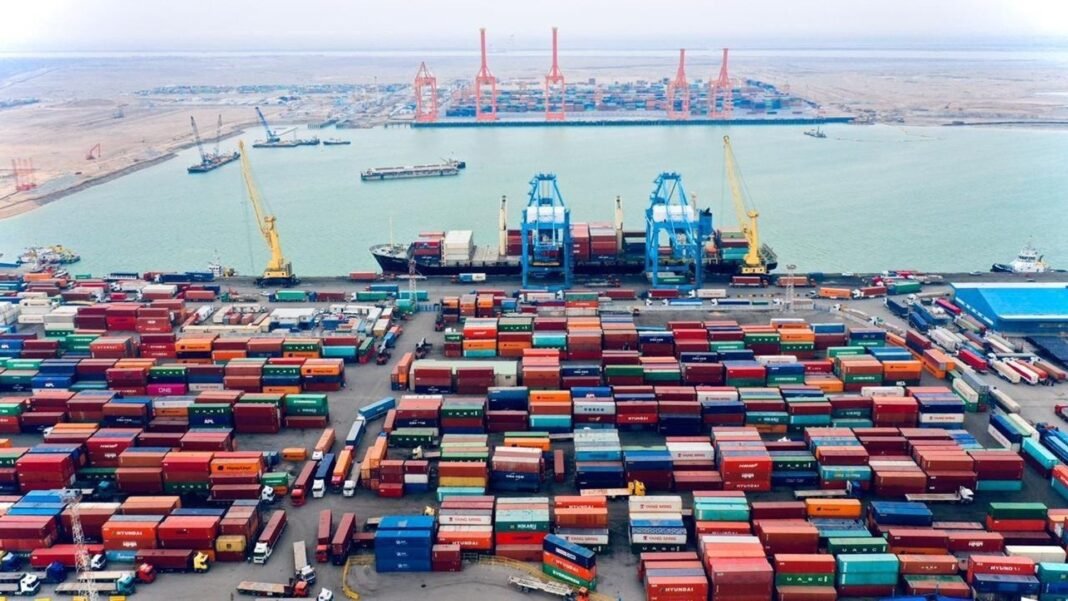
Iraq customs revenue stands at the center of economic planning. Therefore, officials focus on border reforms. Moreover, customs modernization supports national income goals. Consequently, authorities expect strong revenue expansion.
The General Authority of Customs announced optimistic projections. Leaders linked growth to digital systems. Additionally, new tariff enforcement strengthens collections. Thus, customs operations gained efficiency.
Recent performance already showed major progress. Customs income reached record levels recently. This achievement marked a historic milestone. Iraq customs revenue gained momentum quickly.
Officials credited automation for these gains. The ASYCUDA system improved transparency. Furthermore, it reduced manual intervention. Therefore, compliance levels increased significantly.
The customs tariff reform also played a role. Authorities applied rates more consistently. As a result, revenue leakage declined. Border control improved across ports.
Financial leaders expect rapid expansion ahead. Projections suggest revenue growth several times higher. Moreover, full system deployment drives confidence. Iraq customs revenue may exceed ambitious targets.
The Border Ports Commission reported strong results. Income rose sharply across major crossings. Simplified procedures supported this improvement. Therefore, operations became faster and clearer.
Authorities emphasized tighter monitoring. Enhanced controls reduced smuggling risks. Additionally, data tracking improved accountability. These steps supported revenue stability.
The finance ministry also highlighted automation benefits. Digital platforms streamlined processes. Consequently, delays decreased at entry points. As well as, Traders adapted to new systems.
ASYCUDA manages customs data electronically. It tracks shipments and values efficiently. Moreover, it standardizes procedures nationwide. Therefore, errors decreased substantially.
The system originated from an international development body. Many countries already use it successfully. Iraq joined this global trend. Thus, best practices entered local administration.
Authorities launched ASYCUDA in multiple ports. This rollout marked the first phase. Expansion will cover all border points. Therefore, nationwide impact will follow.
Customs staff received training support. Skills improved across departments. As a result, implementation moved smoothly. Human capacity strengthened alongside technology.
Revenue growth supports the national budget. Customs income funds public services. Moreover, it reduces reliance on oil income. Diversification remains a key objective.
Economic planners welcome this shift. Non-oil revenues gain importance. Customs reforms support fiscal balance. Therefore, long-term stability improves.
Traders also benefit from clarity. Clear tariffs reduce disputes. Faster clearance saves time. Thus, business confidence improves.
Border efficiency encourages legal trade. Compliance becomes easier for companies. Consequently, informal practices decline. Market fairness increases.
Regional trade activity supports revenue goals. Iraq sits at major trade routes. Improved ports attract transit flows. Therefore, customs income grows naturally.
Authorities continue refining regulations. They aim for full compliance. Moreover, monitoring systems evolve constantly. Adaptation remains ongoing.
Transparency remains a core principle. Digital records allow audits. Oversight improves trust. Therefore, corruption risks decrease.
Economic observers note strong institutional commitment. Leadership supports reform openly. Results already appear tangible. Momentum continues.
Public finance experts stress sustainability. Growth must remain consistent. Systems ensure continuity beyond individuals. Thus, reforms endure.
Future phases include expanded coverage. More ports will join digital systems. Integration will deepen data accuracy. Therefore, forecasting improves.
Revenue forecasts guide budget planning. Reliable customs income supports expenditure decisions. Predictability strengthens governance.
Iraq customs revenue reflects reform success. Technology, policy, and enforcement align. Consequently, results exceed expectations. Confidence grows.
The outlook remains positive. Continued discipline matters. Authorities maintain focus. Progress continues steadily.