

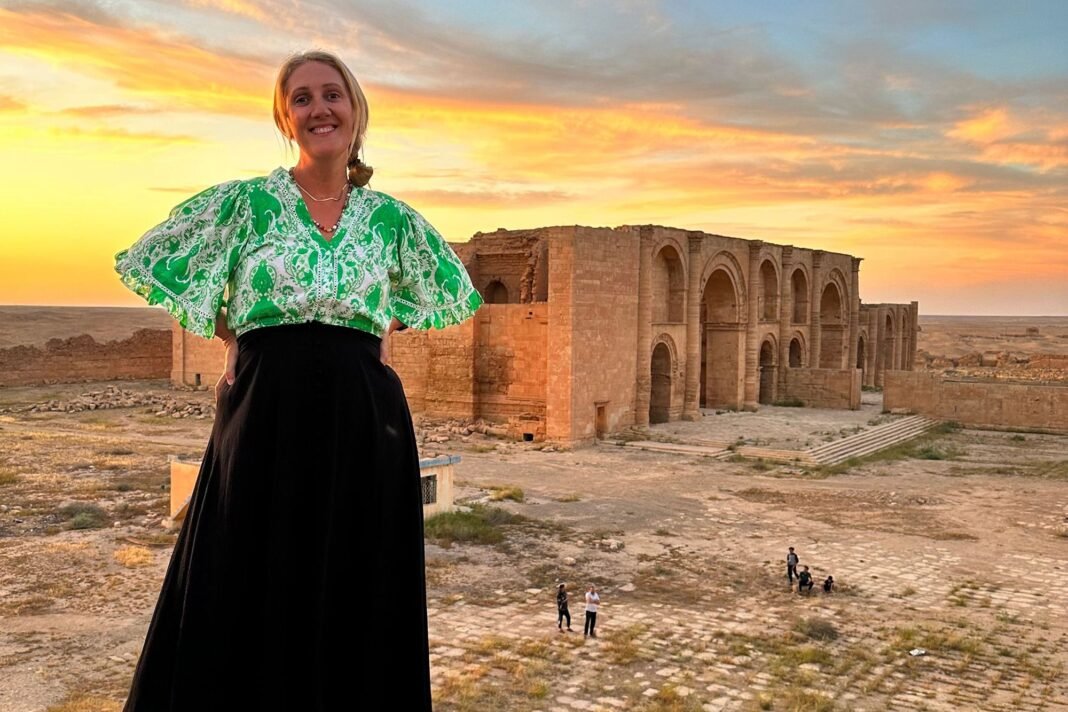
Iraq develops a long-term plan to expand tourism through the Iraq tourism strategy. Officials aim to attract 10 million tourists through coordinated national efforts. Therefore, the government focuses on rebuilding confidence and improving attractions. Moreover, leaders see tourism as a major economic driver. The Iraq tourism strategy seeks growth, jobs, and global engagement.
First, the Ministry of Culture, Tourism, and Antiquities prepares a national roadmap. This roadmap promotes Iraq as a diverse destination. Consequently, planners address challenges that limit visitor numbers. Security perceptions remain a key issue. Therefore, officials engage with foreign governments. They encourage updated travel guidance based on current conditions.
In addition, several countries review their travel advisories. European states show increasing openness. Some governments reassess earlier warnings. As a result, Iraq gains new opportunities. These changes help restore traveler confidence. The Iraq tourism strategy relies on improved international perception.
Moreover, the plan includes restoring tourist attractions. Authorities prioritize heritage sites and museums. They focus on maintenance and visitor services. Consequently, historic landmarks regain appeal. Archaeological tourism receives strong attention. This focus highlights Iraq’s ancient civilizations.
Furthermore, officials invest in human resource development. Training programs support tour guides and service staff. These programs improve visitor experience. Therefore, service quality rises across destinations. Skilled workers strengthen tourism operations nationwide.
At the same time, the strategy promotes ecological tourism. Natural landscapes attract adventure travelers. Marshlands, mountains, and rivers offer unique experiences. As a result, tourism expands beyond cities. Rural communities gain economic benefits. Local businesses grow through visitor spending.
In addition, religious tourism remains essential. Millions visit holy cities each year. Authorities improve infrastructure around these sites. Transport, accommodation, and services receive upgrades. Therefore, pilgrim experiences improve steadily. This segment supports year-round tourism flow.
Economic data highlights tourism growth potential. Revenue from tourism increased significantly in recent years. This rise reflects higher visitor numbers and spending. Consequently, tourism contributes more to national income. The Iraq tourism strategy builds on this momentum.
Regionally, Iraq ranks among top Arab tourism earners. Only a few countries generate higher revenues. This position shows strong potential for expansion. Therefore, officials aim to climb higher. Competitive pricing and rich heritage support this goal.
Moreover, national leaders highlight stability improvements. Security conditions support travel planning. Visitors experience safer movement across regions. As a result, confidence grows among tour operators. International partnerships become easier.
The strategy also links tourism with urban development. Cities invest in hotels and transport. Airports expand capacity. Roads improve access to sites. Therefore, infrastructure supports higher tourist volumes. These upgrades benefit residents as well.
Additionally, marketing campaigns promote Iraq abroad. Cultural festivals and exhibitions showcase heritage. Digital platforms share travel information. Consequently, global awareness increases. The Iraq tourism strategy emphasizes modern promotion tools.
Private sector involvement strengthens implementation. Investors support hotels and services. Public institutions coordinate regulations. This cooperation speeds development. Therefore, tourism ecosystems mature.
Furthermore, youth employment benefits from tourism growth. New jobs appear in services and logistics. Creative industries also expand. As a result, tourism supports social stability.
Ultimately, the Iraq tourism strategy aims for sustainable growth. Officials seek balanced development across regions. Tourism supports economy diversification. Cultural preservation remains central. The Iraq tourism strategy guides long-term planning. The Iraq tourism strategy positions Iraq as a global destination.