

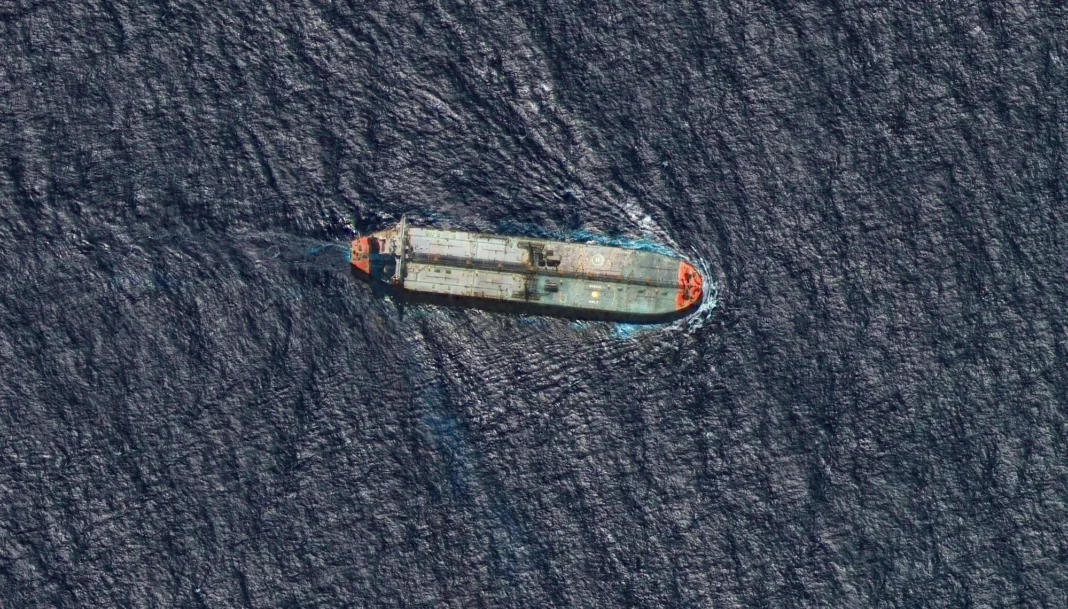
Global oil markets moved higher after the United States announced a Venezuela oil blockade, which raised supply concerns and geopolitical tension. Traders reacted quickly as uncertainty returned to markets already struggling with weak demand signals, pushing prices upward.
Oil prices gained strength as investors reassessed supply risks linked to Venezuelan exports. Market participants shifted sentiment from caution to short term optimism, especially after weeks of price weakness driven by oversupply expectations.
Brent crude advanced during early trading as buyers returned to the market. United States crude benchmarks followed the same direction as traders adjusted positions to reflect growing political risk, which lifted overall momentum.
The Venezuela oil blockade targeted sanctioned tankers entering and leaving Venezuelan ports. United States authorities aimed to increase pressure on Caracas, and the announcement surprised markets, causing an immediate price response.
Analysts warned that the move could reduce the availability of heavy crude grades. Venezuelan oil plays an important role in certain refining systems, so refiners quickly began considering alternative supplies from other regions.
Estimates suggested that several hundred thousand barrels per day could face disruption. Even limited supply losses influenced trader behavior, leading to precautionary buying across futures markets.
Earlier, oil prices had remained near multi year lows due to expectations of ample global supply. Progress in other geopolitical areas supported lower prices, but the new blockade shifted market focus rapidly.
The blockade also increased uncertainty in shipping markets. Traders questioned how authorities would enforce restrictions, which raised logistical concerns and added risk premiums to physical oil flows.
Refiners along the United States Gulf Coast examined replacement crude options. Canadian and Colombian blends gained attention as suitable alternatives, especially for heavy crude needs.
Market analysts noted that physical oil premiums often react faster than headline prices. Spot markets showed stronger movement as buyers competed for secure supply, while futures reflected broader sentiment.
The United States recently increased enforcement actions near Venezuelan waters. Naval presence and tanker seizures reinforced the seriousness of policy measures and added pressure on export activity.
Venezuelan crude exports declined as buyers hesitated amid shipping risks. Some authorized shipments continued under existing approvals, but uncertainty dominated trading decisions.
Despite these developments, analysts said global oil supply remains sufficient in the short term. Inventories continue to provide a buffer, although prolonged disruption could tighten balances over time.
Short term price spikes may remain limited unless broader regional disruptions occur. However, extended enforcement could support higher prices for heavy crude grades due to replacement challenges.
Energy traders now closely monitor political signals. Policy announcements strongly influence market direction, making volatility a defining feature of current oil trading.
In conclusion, the Venezuela oil blockade triggered a clear rebound in oil prices. Supply risk outweighed demand weakness, and markets entered a more cautious and reactive phase.