

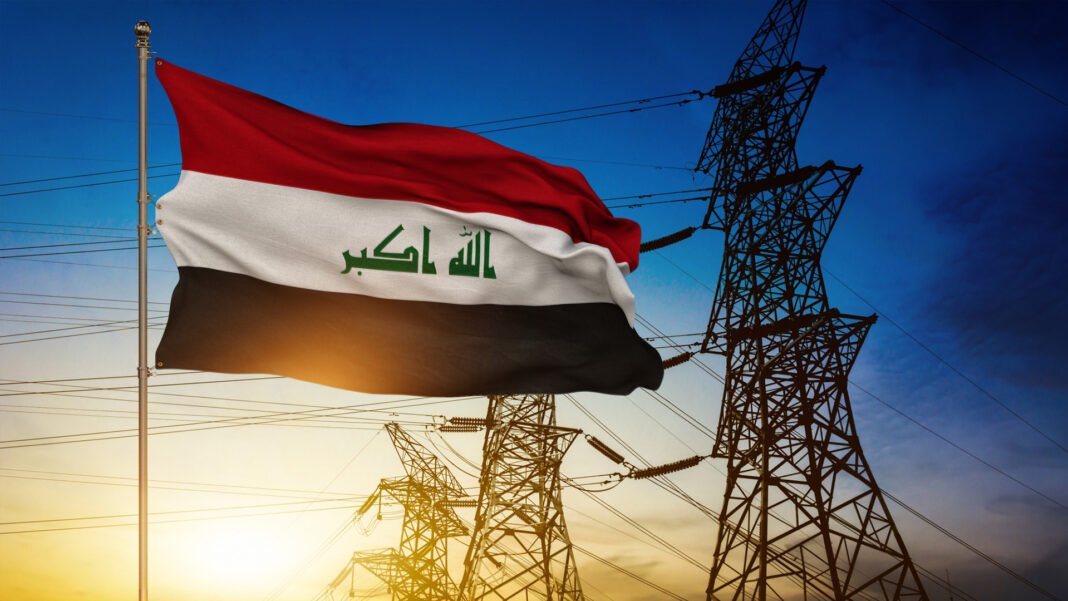
Iraq increased spending to stabilize national power supply across cities and industries. Therefore, energy planners focused on rapid generation solutions. Moreover, officials prioritized reliability during peak demand periods. As a result, electricity production received major financial support. This strategy defines Iraq electricity investment as a central economic pillar.
Energy authorities directed large budgets toward fuel based power plants. Consequently, gas and oil facilities continued operating at high capacity. In addition, planners relied on existing infrastructure for quick results. Furthermore, these plants supplied most national electricity needs. This approach ensured immediate stability.
Electricity prices remain very low across the country. Therefore, households enjoy affordable power access. Moreover, businesses reduce operational costs. However, low tariffs limit revenue growth. Consequently, funding challenges affect future upgrades. Still, leaders keep prices stable to protect citizens.
Fossil fuels dominate the electricity mix nationwide. Thus, gas and oil stations generate nearly all output. In contrast, renewable sources contribute very little. Hydropower and solar play small roles. Therefore, energy diversity remains limited. This imbalance raises environmental concerns.
Peak electricity generation reaches high levels during demand surges. However, current output fails to meet full national needs. Consequently, shortages appear during extreme heat. In addition, aging networks struggle under pressure. Therefore, system expansion remains urgent.
Experts emphasize efficiency improvements as a key solution. First, authorities must reduce wasteful consumption. Next, teams should address illegal grid connections. Moreover, consumers need modern appliances. These steps lower pressure on generation capacity. They also reduce overall costs.
Grid management requires serious reform efforts. Therefore, technicians work to improve monitoring systems. In addition, digital controls help detect losses. Furthermore, upgraded transformers improve stability. These measures support reliable electricity delivery.
Despite challenges, Iraq electricity investment continues at scale. Leaders commit funds to maintain supply continuity. Consequently, power stations receive steady fuel support. Moreover, maintenance schedules improve plant performance. This consistency prevents major outages.
Renewable energy development progresses slowly but steadily. Officials recognize long term benefits clearly. Therefore, planners launched green energy initiatives. These projects aim to diversify sources. Moreover, international partnerships support technology transfer. This shift promises future balance.
Solar power projects attract growing attention. Thus, desert regions offer strong potential. In addition, hydropower supports seasonal supply. However, renewable expansion requires time. Therefore, fossil fuels remain dominant for now.
Energy demand grows with population and industry expansion. Consequently, planners forecast higher future needs. They call for smarter consumption habits. Moreover, public awareness campaigns encourage savings. These actions complement generation investments.
Economic stability depends heavily on electricity reliability. Therefore, factories need constant power. Hospitals also rely on stable supply. Moreover, schools and services require uninterrupted electricity. This dependence reinforces strategic planning.
Iraq electricity investment shapes national energy policy direction. Authorities balance affordability with sustainability goals. Consequently, reforms focus on gradual transition. This method avoids sudden disruptions. It also supports economic growth.