

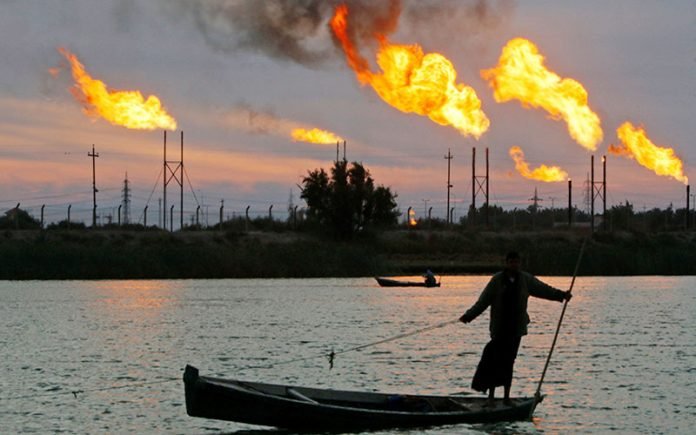
Iraq monitors its oil market closely and connects every update to a broader trend called Iraq Crude Market Shift. Basrah crude prices move lower while global oil values remain steady. This situation worries traders because supply concerns continue. Iraq studies the changes and prepares new assessments for local producers. Officials track each movement because oil revenue shapes national planning.
Basrah Heavy shows the sharpest drop. The price falls to 58.60 dollars after losing more than one dollar. This decline surprises some traders who expect stability after recent global trends. However, oversupply fears increase pressure on local grades. The Iraq Crude Market Shift highlights this imbalance and encourages deeper review of production levels.
Basrah Medium also moves lower. The price reaches 60.45 dollars after a similar decline. Producers watch the numbers because both grades support Iraq’s export income. Moreover, lower values affect budgets, investment plans, and regional projects. Iraq studies every factor because global markets remain sensitive to supply signals.
Global oil prices hold steady across main benchmarks. Traders study demand forecasts and expect limited movement. Concerns grow because supply growth outpaces demand in several regions. Therefore, global markets resist large gains. Investors also monitor ongoing discussions between Russia and Ukraine. Peace talks influence risk levels and shape energy expectations. Iraq reviews these developments because international shifts affect local confidence.
Basrah traders report increased caution among buyers. Some companies reduce orders because they expect more downward movement. Others monitor shipping schedules to avoid cost risk. Iraq tracks each reaction because local crude grades depend on global patterns. The Iraq Crude Market Shift creates uncertainty and pushes producers to consider flexible strategies.
Moreover, Iraq evaluates storage levels in southern fields. Higher storage volumes increase pressure on prices. Producers try to manage flow carefully to prevent larger drops. They also study refinery demand in Asia because many buyers rely on Basrah grades. Asian markets remain steady, but hesitation grows because global supply increases. Iraq works with partners to maintain smooth shipments and avoid bottlenecks.
Additionally, analysts discuss seasonal demand changes. Winter usually increases consumption, yet mild weather reduces this effect. Lower heating needs create weaker demand signals. Markets react quickly, and Basrah crude feels the impact. Iraq studies consumption forecasts to support stronger planning.
Despite lower prices, Iraq continues to strengthen long-term strategies. Officials review production targets and explore new export opportunities. They also focus on infrastructure upgrades to keep operations efficient. Iraq believes that strong planning reduces risk from market swings. The Iraq Crude Market Shift guides this approach and encourages careful monitoring.