

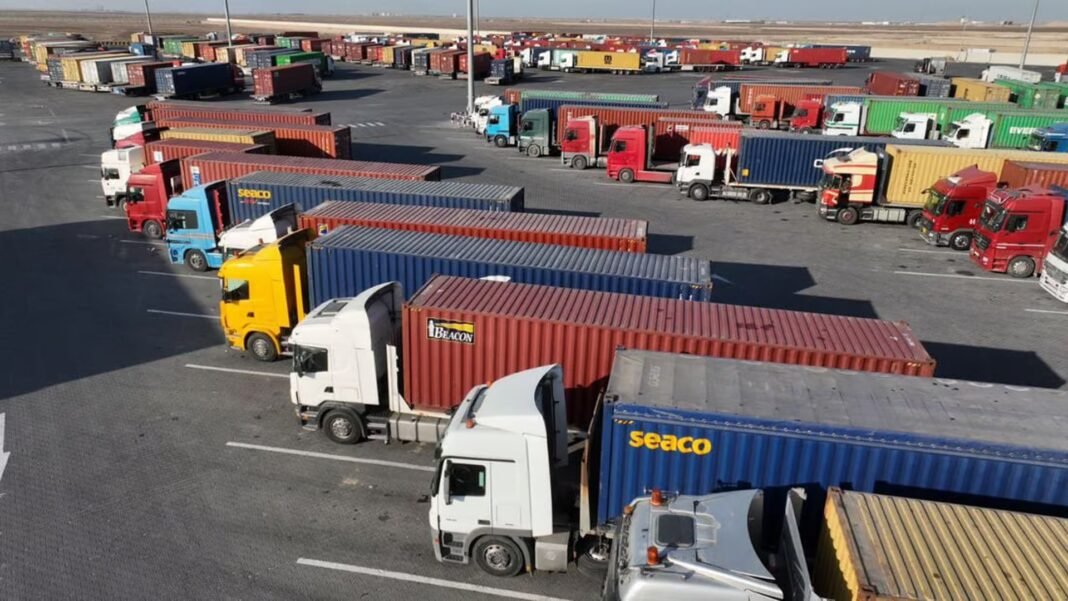
Iraq highlights strong non-oil import growth as the country strengthens its role in regional trade. The country builds deeper commercial ties with Iran through steady demand and active market expansion. Moreover, Iraq highlights strong non-oil import growth through consistent purchases and wider economic cooperation.
Iraq secures a major position among Iran’s top trading partners. The country ranks second among all importers of Iranian non-oil goods. This position reflects strong market demand and steady commercial activity. Additionally, traders in Iraq increase their orders because they trust Iran’s supply stability. Iranian exporters respond quickly and maintain large shipments.
Iran reports that its exports to Iraq reach significant levels. The value climbs above five billion dollars within seven months. This volume shows strong cooperation between both economies. China leads the list with higher imports, while Iraq follows closely. The UAE, Turkiye, and Afghanistan also appear in the group of major importers. Each market shows its own demand levels, yet Iraq maintains firm momentum.
Iran exports almost thirty-two billion dollars in non-oil goods during the same period. Imports reach more than thirty-four billion dollars. The country monitors its trade balance carefully as it plans new strategies. However, the average export price per ton decreases slightly. Traders adapt quickly to this change because they want to maintain competitiveness. This shift drives them to improve logistics and increase efficiency.
Iran’s main export items include natural gas, which leads the list with a multi-billion value. Liquefied propane follows with strong numbers. Petroleum bitumen also forms a large share of outbound shipments. In addition, Iranian exporters ship butane, methanol, iron ingots, steel ingots, and urea. These products support major industries in importing countries, including Iraq.
Iraq continues to strengthen its role as a key importer. The country demands energy-related goods and industrial materials for its expanding sectors. Traders in Iraq build long-term partnerships with Iranian companies. These partnerships create predictable supply chains and reduce market uncertainty. Furthermore, both countries discuss new trade methods to increase speed and reduce costs.
Iraq studies new ways to improve customs procedures. These steps aim to simplify transport and strengthen trade security. Businesses in Iraq welcome these changes because they allow faster movement of goods. The country plans more reforms to support large import volumes.
Therefore, Iraq highlights strong non-oil import growth as it expands cooperation with Iran. This trend supports economic stability and increases access to essential products. Iraq non-oil import growth continues through stronger partnerships and continuous trade development.