

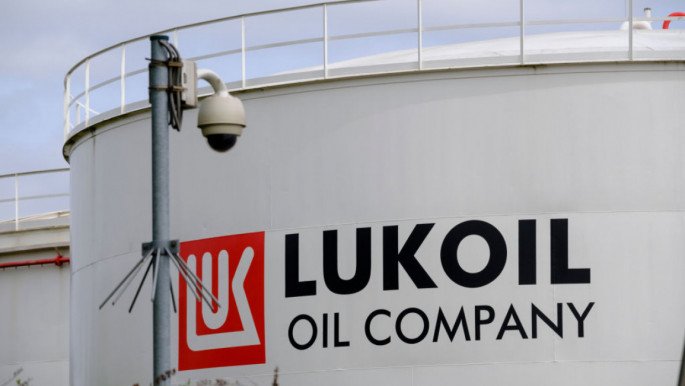
Iraq moved to protect its energy sector as leaders met with senior officials from Russia’s LUKOIL. The government focused on Iraq oil production stability and worked to solve issues caused by new US sanctions. Prime Minister Mohammed Shia al-Sudani held direct talks in Baghdad with Vagit Alekperov, the former head of the company. Both sides looked for solutions that keep operations strong inside Iraq. They also aimed to limit damage from political pressure and sudden market tensions.
During the meeting, al-Sudani emphasized Iraq’s goal of supporting global market balance. He stressed that a stable market protects producers and consumers. He also confirmed that Iraq wants calm and predictable production levels. This approach supports Iraq oil production stability and strengthens trust with foreign companies.
The discussion then shifted to recent disruptions. LUKOIL faces major challenges at the West Qurna-2 oil field. The field produces around 480,000 barrels each day. The sanctions created heavy pressure on the company and blocked important activities. LUKOIL reported a crisis at the site. The company shared concerns that the situation may worsen if leaders fail to find answers soon.
Moreover, earlier this month, the company sent a formal letter to the Iraqi Oil Ministry. The letter explained that extraordinary circumstances prevented normal work at West Qurna-2. Iraqi officials confirmed the message and studied the impact on long-term production. One senior official also warned that LUKOIL may stop operations entirely. He added that the company could withdraw from the project within six months if the issue continues.
In addition, SOMO cancelled several shipments that belonged to LUKOIL. The cancelled shipments were originally planned for specific November dates. This action created further pressure on export plans and raised concerns about revenue. The move also highlighted the broad effect of the sanctions.
West Qurna-2 stands as LUKOIL’s most important foreign asset. The company holds a seventy-five percent stake in the large field. This position gives the company major influence over production levels in southern Iraq. It also means any disruption affects Iraq oil production stability and financial planning.
LUKOIL then explored the option of selling its international assets. The company hoped to limit losses caused by US sanctions. However, Switzerland’s Gunvor Group paused its plans to buy the assets. The group faced strong resistance from the US Treasury Department. American officials refused to grant a license for operations. They argued that Russia continued its military campaign in Ukraine. This decision blocked the deal and deepened uncertainty around LUKOIL’s future.
Iraq continues to search for solutions. The government wants all partners to remain active. Iraq values stable production, strong cooperation, and reliable growth. Because of this, leaders now work closely with foreign firms to keep operations safe. Their efforts support Iraq oil production stability during a tense period.