

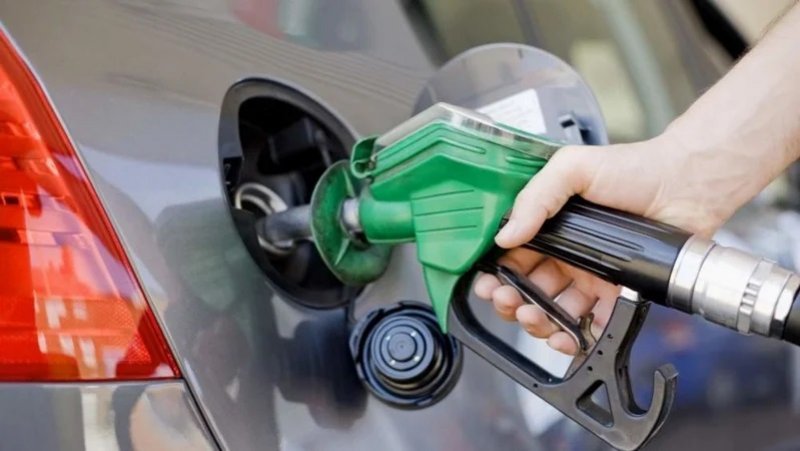
Iraq has officially halted all fuel imports after achieving full production self-reliance in gasoline, diesel, and kerosene. This marks a historic milestone in Iraq fuel self-sufficiency and underscores the country’s growing energy independence.
According to a government document, Prime Minister Mohammed Shia al-Sudani issued a directive to the Oil Ministry to manage local fuel consumption efficiently. The order also directs surplus production toward exports. The move follows three years of intense efforts to expand refining capacity and improve production infrastructure under Iraq’s long-term energy independence strategy.
Additionally, Al-Sudani described this achievement as part of a larger national plan to reduce foreign dependency and strengthen the local economy. He noted that ending fuel imports will save Iraq nearly $10 billion annually. Moreover, the government aims to increase refined product output to 40 percent of total crude exports by 2030. This target reflects Baghdad’s determination to turn its refining sector into a key driver of economic growth.
The Oil Ministry stated that several major refinery projects contributed to this success. One of the most notable is the North Refineries complex in Baiji. Once heavily damaged during the ISIS conflict, the facility has been rebuilt and now operates at a capacity of about 380,000 barrels per day. This upgrade significantly boosted national refining capacity and helped secure Iraq fuel self-sufficiency.
Officials said the decision to end fuel imports also supports Iraq’s export ambitions. With higher local production, the country can now supply refined products to regional markets. This strategy aligns with Iraq’s broader plan to diversify its energy portfolio and generate additional revenue beyond crude oil exports.
In recent years, Iraq has invested heavily in modernizing its refineries, upgrading technology, and improving efficiency. These steps have reduced waste, improved quality, and ensured consistent supply to domestic markets. Energy experts view this achievement as a crucial step toward Iraq’s economic resilience and industrial growth.
By reaching Iraq fuel self-sufficiency, the government positions the country as a stronger player in the regional energy market. With stable production and rising exports, Iraq is now better equipped to sustain its development goals and strengthen its fiscal stability.