

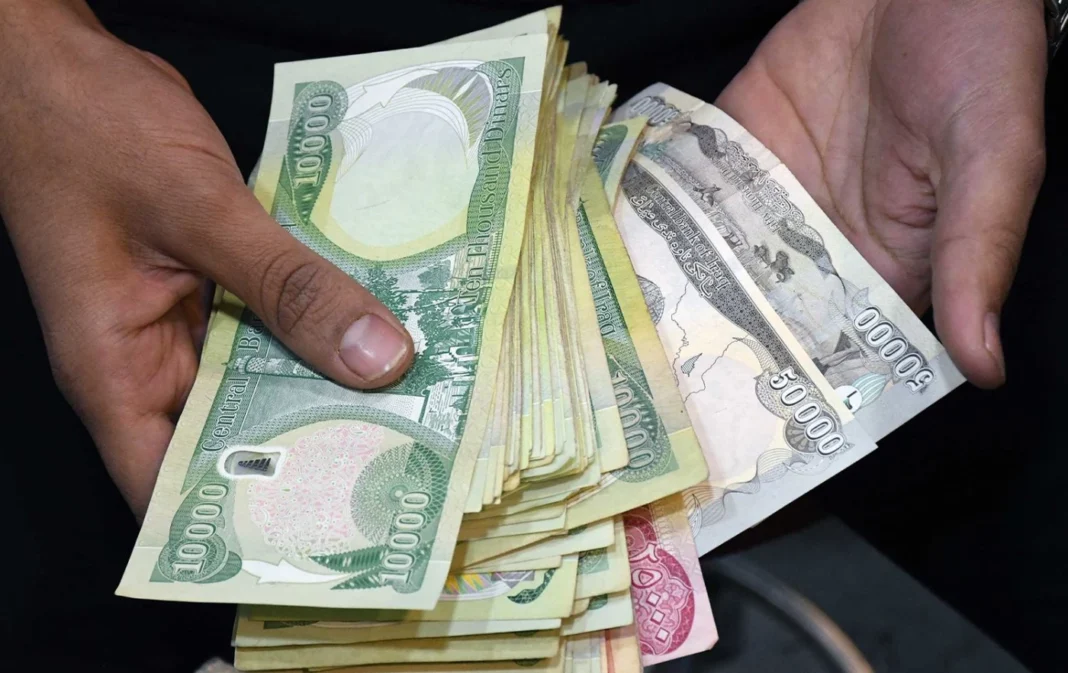
Dollar prices in Iraq declined in Baghdad and Erbil, reflecting slight shifts in local currency markets. The US dollar slipped against the Iraqi dinar as trading opened at the central Al-Kifah and Al-Harithiya stock exchanges in Baghdad. The dollar settled at 141,600 dinars per 100 dollars, down from 141,650.
Currency exchange stores in Baghdad set the selling rate at 142,500 dinars per 100 dollars and the buying rate at 140,500. Meanwhile, in Erbil, the selling price reached 141,350 dinars per 100 dollars, while the buying price stood at 141,250. These movements indicate minor adjustments but reflect ongoing monitoring of currency demand and supply.
Iraq’s dollar prices remain sensitive to changes in both local and international markets. Traders and investors continue to watch developments closely, particularly with fluctuations in imports, exports, and oil revenues. Shifts in dollar rates can affect businesses, importers, and ordinary citizens, as the currency plays a key role in economic planning.
The slight drop in dollar prices may offer temporary relief for businesses relying on foreign currency. However, economists advise caution, noting that broader economic factors, including oil market performance and government spending, continue to influence the Iraqi dinar.
Financial analysts in Baghdad and Erbil emphasize that small daily variations in dollar prices often signal wider trends in Iraq’s economy. Residents and businesses are encouraged to track exchange rates to optimize currency transactions and plan ahead for potential changes.
Overall, Iraq’s currency markets demonstrate resilience, balancing between minor daily shifts and longer-term economic trends. Observers anticipate gradual stability in dollar prices if external pressures remain controlled and domestic factors support market equilibrium.