

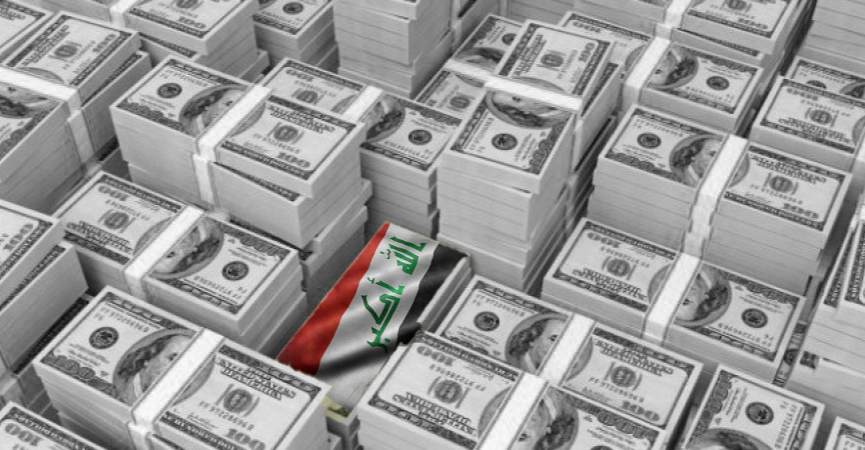
Iraq’s government has confirmed that the country’s debt level remains manageable despite concerns about the economy. According to officials, repayment plans are in place, and Iraq has never failed to meet its debt obligations.
Mudhir Saleh, financial and economic advisor to the Prime Minister, explained that Iraq’s external debt totals about $20 billion. Around half of this amount will mature by 2028. He stressed that the federal budget already includes repayment allocations. He also highlighted that the Finance Ministry and the Central Bank of Iraq coordinate closely and ensure timely payments.
Saleh stated that Iraq’s domestic debt stands at more than 92 trillion dinars, equal to about $65 billion. However, he clarified that the state banking system fully holds this debt. The Central Bank’s investment portfolio manages less than half of it. For this reason, he assured citizens and markets that Iraq debt remains under control.
He also outlined new strategies to reduce domestic debt. The government plans to channel real assets into a national fund. This fund will reinvest in productive projects, creating both repayment capacity and stronger economic activity. The plan seeks to turn debt into investment opportunities, supporting growth while reducing long-term liabilities.
Furthermore, Iraq’s fiscal and monetary policies aim to stabilize the economy. Saleh explained that careful coordination between institutions makes the system more resilient. By using structured repayment mechanisms, Iraq avoids default risks and builds trust with international lenders.
Official Central Bank data confirms a gradual decline in overall debt. In 2024, Iraq debt stood at $54.6 billion, down from $56.2 billion in 2023. This 2.9 percent decrease shows progress in managing obligations while strengthening financial stability.
Observers continue to warn about economic risks, particularly heavy reliance on oil revenues. However, officials insist that the country’s repayment system remains solid. The focus on converting debt into investments could create long-term benefits and reduce reliance on borrowing.
In summary, Iraq debt is significant but manageable. External obligations are on schedule, while domestic debt is contained within state banks. With reforms and investment-driven strategies, Iraq aims to balance stability and growth in the coming years.