

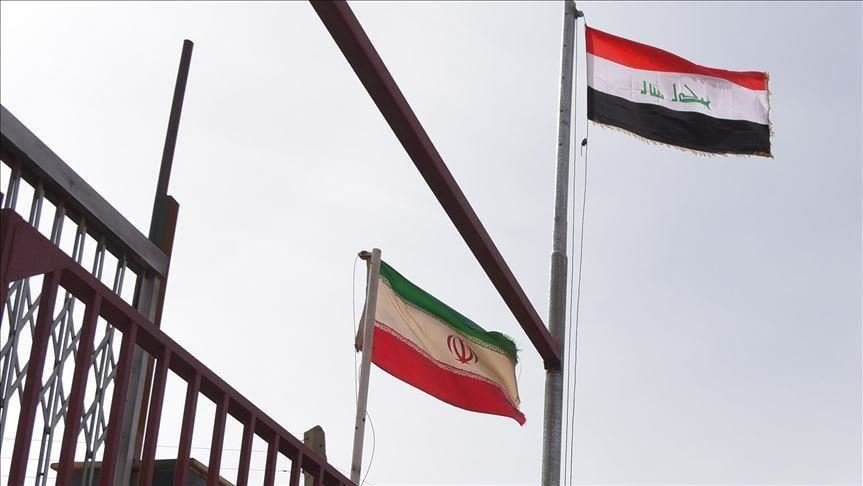
Iran continues delivering gas to Iraq, supplying more than 20 million cubic meters daily despite ongoing arrears. This consistent supply helps keep Iraq’s electricity plants operational while negotiations on repayment continue. The energy partnership between the two countries remains crucial, as Iraq relies heavily on Iranian gas supply for power generation.
Electricity Minister Ziyad Ali Fadhil confirmed that the ministry owes significant sums for these imports. He also highlighted Iran’s patience and ongoing tolerance as both countries hold continuous discussions about supply and debt settlements. The talks focus on ensuring uninterrupted deliveries while creating a mechanism for clearing overdue bills.
A senior Iranian delegation is expected in Baghdad soon to meet with Iraqi officials and advance these talks. They aim to finalize repayment procedures and secure the gas supply, which remains essential for Iraq’s electricity infrastructure.
Iraq depends on Iranian gas to run approximately 40-60% of its gas-powered electricity plants. Domestic production currently reaches only 26,000 megawatts, falling short of the 37,000 megawatts needed to meet demand. As a result, Baghdad continues to rely on imported gas to avoid power shortages and ensure energy stability.
The reliance on that has created a growing debt issue. Over the years, Iraq has accumulated roughly $12 billion in unpaid bills for Iranian gas and electricity. This financial pressure makes timely negotiations crucial. Both sides emphasize the importance of cooperation to maintain energy supply while addressing overdue payments.
Despite the financial challenges, the flow of gas continues uninterrupted, highlighting the strategic importance of the Iran-Iraq energy connection. Both countries stress that resolving debt issues will strengthen long-term energy security and regional stability.
The ongoing discussions and deliveries demonstrate how Iran’s gas supply supports Iraq’s electricity needs. Officials from both countries continue to explore solutions that balance financial responsibility with reliable energy provision.