

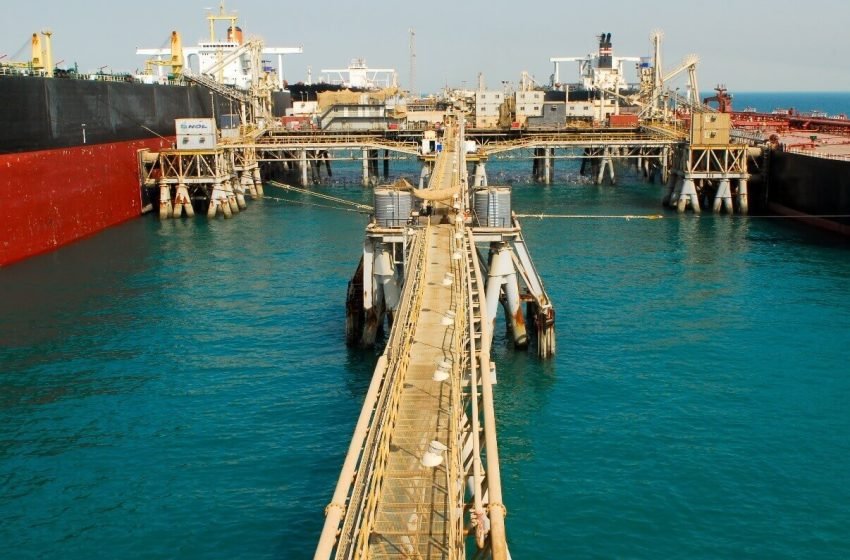
Basrah crude prices fell sharply on Tuesday, reflecting global oil market weakness and renewed supply concerns. The drop followed news that Iraq’s federal government and the Kurdistan Regional Government (KRG) reached a deal to resume oil exports through Turkiye. Traders said the decision added fresh pressure on already fragile prices.
Basrah Heavy crude prices fell by 39 cents, or 0.59%, to settle at $65.49 a barrel. Basrah Medium also dropped by 0.57%, closing at $67.94 a barrel. Both grades mirrored losses in international benchmarks. Brent crude slipped to $66.15 a barrel, while U.S. West Texas Intermediate (WTI) traded at $61.92.
The Iraq–Kurdistan pipeline deal marks a breakthrough after exports from northern Iraq were suspended in March 2023. Under the agreement, oil companies operating in Kurdistan will receive crude shipments instead of cash payments. The move aims to guarantee company entitlements and reduce payment delays from Baghdad, which faces ongoing liquidity constraints.
Analysts estimated that exports could add about 230,000 barrels per day back into global supply. The return of this volume comes at a time when markets are already grappling with concerns about slowing demand, the rise of electric vehicles, and macroeconomic headwinds. This combination may keep Basrah crude prices under pressure in the short term.
Despite the bearish tone, the agreement could provide stability for Iraq’s energy sector. More reliable exports would support revenues for both Baghdad and Erbil while reducing political friction. Still, traders remain cautious, watching for potential disruptions tied to regional disputes or logistical challenges at Turkiye’s Ceyhan port.
OPEC+ dynamics also remain crucial. Iraq, the group’s second-largest producer, has been under pressure to manage its export volumes while balancing commitments within the alliance. Any additional flows from the Kurdistan pipeline could influence OPEC+ supply strategies in the months ahead.
Market observers added that broader geopolitical risks persist. European sanctions on Russian crude and tensions in the Middle East could quickly shift market sentiment. For now, however, oversupply fears dominate, keeping Basrah crude prices under downward pressure.