

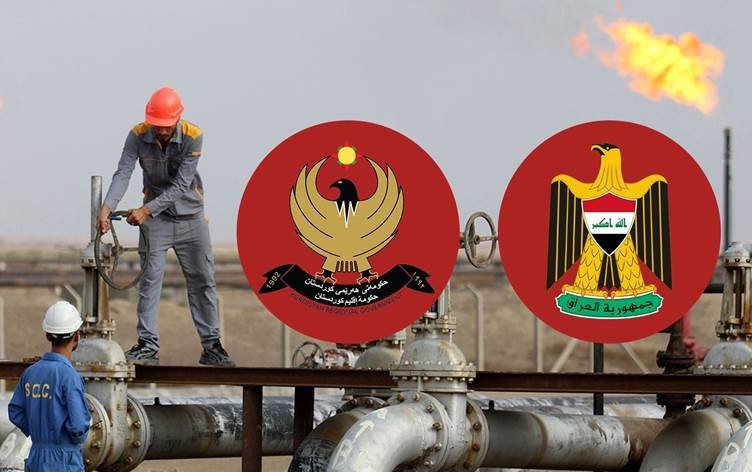
Efforts to settle a long-running financial dispute reached a critical point as KRG delegation in Baghdad began key meetings with federal officials. The Kurdistan Regional Government sent a senior team to the capital to discuss a final oil and revenue-sharing agreement.
Acting Minister of Natural Resources Kamal Mohammed and Cabinet Secretary Amanj Rahim led the delegation. Both officials arrived in Baghdad , aiming to finalize terms with the federal government. The meeting followed weeks of quiet negotiations and growing pressure to reach a breakthrough.
By the time the visit began, Baghdad had already drafted a new proposal regarding oil exports and revenue allocation. Officials from Erbil started direct talks with federal counterparts shortly after arriving. According to insiders close to the KRG, both sides now stand close to an agreement.
One official familiar with the talks explained that the KRG delegation in Baghdad will review the plan and respond shortly. He stressed that the proposed arrangement involves full cooperation between the two governments. Under the deal, the Kurdistan Region will transfer all crude oil to Baghdad. In exchange, Baghdad will meet Kurdistan’s internal fuel and petroleum product demands.
This exchange marks a potential reset in oil relations between the federal and regional governments. Oil exports through the Iraq-Turkey pipeline stopped in March 2023 after an arbitration ruling in Paris. That ruling found Turkey had violated a 1973 pipeline deal by allowing independent KRG exports beginning in 2014.
Since the halt, Kurdistan Region’s government has reported major losses. Prime Minister Masrour Barzani recently stated that the suspension has cost over $25 billion in lost oil revenue. He urged urgent coordination to restart exports and protect the regional economy.
The KRG delegation in Baghdad now plays a key role in shaping that outcome. Both sides appear eager to avoid further delays, especially with growing public pressure to stabilize salaries and energy supplies across the Kurdistan Region.
Additionally, analysts believe that resolving this issue will improve investor confidence. Clear oil export policies will support Iraq’s broader energy goals and offer better transparency to international markets. It could also help restore strained ties between Erbil and Baghdad.
As the talks continue, officials from both sides express cautious optimism. If they agree on final terms, the Kurdistan Region could resume oil flows through Turkey. More importantly, citizens in both regions may soon benefit from stable revenues and better services.