

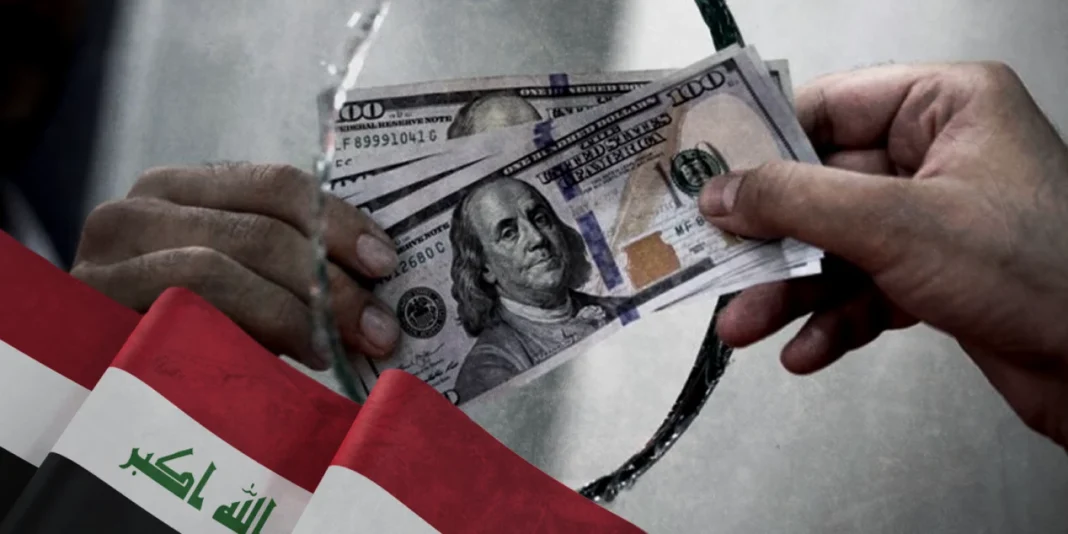
Iraq’s currency markets showed fresh movement on Tuesday as dollar prices drop in Iraq, with exchange rates falling in both Baghdad and Erbil. Traders in both cities reported a slight but notable decrease in the value of the U.S. dollar against the Iraqi dinar.
According to financial market data, the Al-Kifah and Al-Harithiya stock exchanges in Baghdad opened with the dollar trading at 141,200 dinars per 100 dollars. That marked a drop from 141,300 dinars recorded on Monday, reflecting increased market confidence in the local currency.
Currency exchange shops across Baghdad mirrored this shift. The selling rate reached 142,250 dinars per 100 dollars, while the buying rate stood at 140,250. These figures indicate tighter margins and suggest a growing supply of U.S. currency in the capital’s retail market.
Meanwhile, Erbil experienced a similar trend. The U.S. dollar sold for 140,950 dinars and was bought at 140,850 dinars per 100 dollars. Though the decline was slight, it confirmed the downward movement in dollar rates across Iraq’s major currency hubs.
Experts believe the dollar prices drop in Iraq results from several factors. Improved central bank interventions, stronger oil revenue inflows, and reduced local demand for U.S. currency have all contributed. Additionally, seasonal changes in trade and financial activity may have played a role.
This adjustment in exchange rates follows a broader effort by the Central Bank of Iraq to stabilize the currency market. By increasing the availability of dollars through official platforms and tightening controls on informal trading, the bank aims to reduce price fluctuations.
Traders in both Baghdad and Erbil welcomed the shift. Many say lower dollar rates help ease costs for importers and support consumers who rely on imported goods. Some also noted that consistent rate changes reflect healthy market operations.
The dollar prices drop in Iraq may continue if current conditions hold. However, market watchers caution that future shifts in oil prices or political developments could still influence demand for foreign currency.
Iraq’s economy remains closely tied to oil exports, and any disruption in global energy markets could push dollar demand back up. For now, though, Iraq’s currency market appears to be on firmer footing with lower dollar exchange rates across the board.