

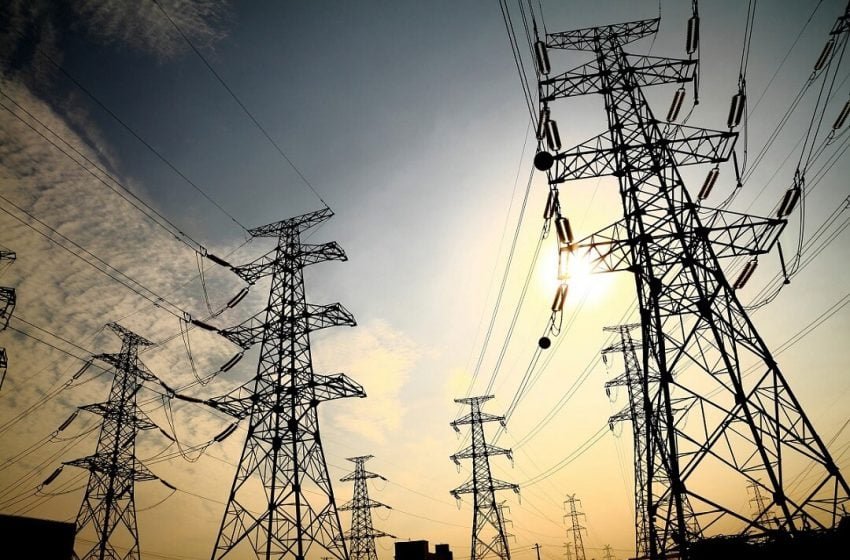
Iraq has taken a major step forward in improving power access as Basra electricity transmission improves with a new high-voltage line. The Ministry of Electricity officially launched the new Faw 400 KV–Industrial Institute 132 KV transmission line on Monday.
Electricity Minister Ziyad Ali Fadel announced that the new line is now fully operational. It delivers 480 megawatts of capacity and marks a vital upgrade for Basra and nearby provinces in southern Iraq. This move supports the ministry’s larger goal of achieving better energy reliability.
The new transmission line stretches 76 kilometers. It includes 244 transmission towers and serves key areas, especially the Abu Al-Khasib District in Basra. The ministry expects the line to improve energy stability across the southern power grid.
Officials said the Basra electricity transmission improves as part of broader infrastructure reforms. The project aims to solve technical challenges and increase the efficiency of Iraq’s electricity system. The ministry’s statement highlighted the importance of this line in boosting the capacity of the transmission network.
Fadel emphasized that this line forms a key part of Iraq’s plan to expand its energy infrastructure. He also described it as essential for long-term energy sustainability in southern Iraq. As power demand rises during the hot summer months, reliable infrastructure becomes critical for service delivery.
Beyond local benefits, the Basra electricity transmission improves in ways that also support regional cooperation. The line is linked to Iraq’s wider electricity interconnection project with the Gulf States. That regional plan seeks to connect Iraq’s power grid with neighboring countries and reduce dependency on short-term energy imports.
According to ministry officials, such projects will make Iraq’s energy network more flexible and responsive to future demand. The ministry is committed to strengthening local infrastructure while also working toward regional integration.
Experts believe this development sets the stage for broader energy reforms in Iraq. They argue that building modern transmission lines is vital for economic growth and regional trade. The country must continue investing in both generation and delivery systems to meet long-term goals.
With the launch of this line, Iraq has shown it can complete high-impact infrastructure projects. If sustained, these steps may lead to more stable electricity for millions and a stronger regional position in energy trade.